
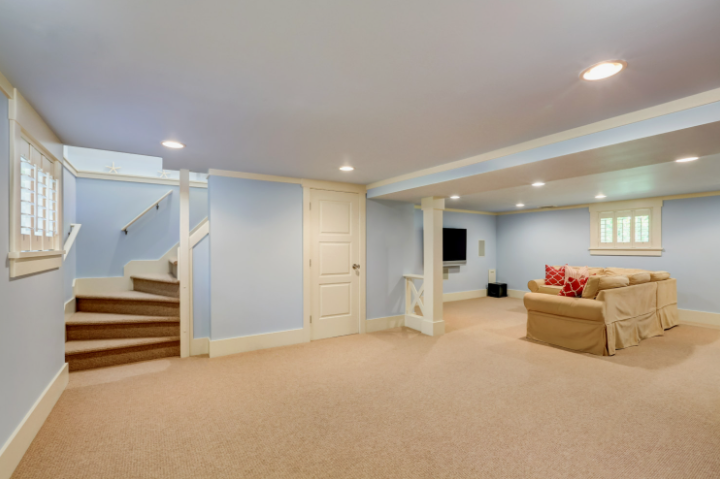
Why Your Choice of Contractor Matters
A basement can become a family room, a home office, a guest suite, or a play area. It can also be one of the trickiest parts of a house to remodel. Basements deal with moisture, low ceilings, plumbing lines, and electrical needs that upstairs rooms rarely face.
That is why the person you hire matters as much as the design you pick. A skilled basement remodeling contractor knows how to plan around these challenges so the finished space is dry, safe, and comfortable for years. A poor choice can lead to mold, delays, surprise bills, and repairs that cost more than the original job.
This guide walks you through the steps to find a contractor you can trust, the questions to ask, and the red flags to watch for.
Start With a Clear Idea of Your Project
Before you call anyone, spend some time thinking about what you want. Contractors can give better advice and more accurate quotes when you know your goals.
Decide How You Want to Use the Space
Think about who will use the basement and how often. A home gym needs different flooring than a kids’ playroom. A home office needs good lighting and quiet walls. A guest suite may need a bathroom and a bedroom window that meets safety rules.
Set a Realistic Budget
Basement renovation cost depends on the size of the space, the condition of the walls and floor, and the features you want. Adding a bathroom or a kitchenette will raise the price. Fixing water problems before any finishing work begins can also add to the total. Set a budget range, and keep some extra money aside, often around 10 to 15 percent, for surprises that come up once walls are opened.

Check Experience and Specialization
Not every general contractor has deep experience with below-grade spaces. Ask how many basement projects they have completed and whether they offer complete basement remodeling services, from design through final finishing.
Look for Relevant Experience
A contractor who works on basements often will understand how to handle uneven floors, low headroom, and ductwork that gets in the way. They will also know which materials hold up well in lower levels of a home.
Ask About Their Full Range of Work
Many basement projects need more than drywall and paint. You may need framing, electrical work, plumbing, insulation, flooring, and lighting. A contractor who handles all of this under one roof, or manages trusted trades for you, keeps your project organized and easier to follow. At Home Options, for example, basement work sits alongside kitchens, bathrooms, garages, and home additions, so the team is used to managing multi-step remodels.
Verify Licensing, Insurance, and Permits
This step protects you and your home. Never skip it.
Confirm the Contractor Is Licensed and Insured
A contractor who is licensed and insured protects you if someone is injured on the job or if something gets damaged. Ask to see proof of both, and do not rely on a verbal answer. A reliable contractor will share these documents without any fuss.
Ask Who Handles Building Permits
Many basement projects need building permits, especially when the work includes electrical, plumbing, or structural changes. Permits and inspections exist to keep your family safe and to protect your home’s value when you sell. Ask the contractor if they pull permits for you and how they handle inspections. Be careful with anyone who suggests skipping permits to save time or money.
Compare More Than One Estimate
Getting two or three quotes is smart, but compare them carefully. The lowest number is not always the best deal.
Ask for a Detailed Written Estimate
A good written estimate lists the work to be done, the materials, the labor, the timeline, and the payment schedule. Vague quotes cause confusion later. If one estimate leaves out items that others include, ask why. It may mean the contractor plans to add charges down the road.
Understand What Is and Is Not Included
Ask whether the price covers design help, permits, cleanup, and trash removal. Ask what happens if you want to make a change halfway through. Clear answers now prevent arguments later. Many companies, including Home Options, offer a free estimate with no obligation, which makes it easy to compare options without pressure.
Review Past Work and Customer Feedback
A contractor’s history tells you a lot about what working with them will be like.
Read Online Reviews
Look at Google reviews and other trusted review sites. Pay attention to patterns. Do customers mention good communication, clean job sites, and finishing on time? Do they say the contractor was easy to reach and honest about costs? Those details matter more than a perfect star rating. You can also read client stories on the Home Options testimonials page to see what past customers say about their experience.
Ask for Photos and References
Request photos of finished basement projects, and ask to speak with a past customer if possible. Seeing real results helps you judge the quality of the work and whether the style fits your taste.
Ask About Moisture, Insulation, and Safety
This is where a true basement specialist stands out from a general handyman.
Moisture Control Comes First
Finishing a basement without dealing with dampness is a recipe for trouble. Mold, musty smells, and warped materials often come from water that was never addressed. Ask the contractor how they check for moisture and what steps they take for moisture control, such as sealing, proper drainage, vapor barriers, or a dehumidifier. A careful contractor will inspect the space before talking about finishes.
Insulation and Comfort
Good insulation keeps the room warmer in winter and cooler in summer. It also helps reduce noise and lowers energy waste. Ask what insulation type they recommend and why.
Egress Windows and Exits
If your plan includes a bedroom, you will likely need an egress window so people can exit safely in an emergency. A knowledgeable contractor will know the local safety requirements and plan for them early, instead of treating them as an afterthought.
Pay Attention to Communication
Even a skilled team can create stress if they do not keep you informed. During your first conversations, notice how the contractor behaves.
- Do they return calls and emails promptly?
- Do they listen to your ideas and explain options in plain language?
- Do they show up on time for the estimate?
- Do they explain the timeline and who will be on site each day?
Good communication in the early stage is usually a sign of good communication during the project. Many homeowners say that clear updates and a tidy work area made the biggest difference in how they felt about the experience.
Understand the Process From Start to Finish
Ask the contractor to walk you through how a typical project unfolds. A solid process often looks like this:
- An on-site visit to measure the space and talk about your goals.
- A design plan and a written estimate.
- Permits and scheduling.
- Preparation work, including moisture checks, framing, and mechanical rough-ins.
- Insulation, drywall, flooring, and lighting.
- Final walkthrough and cleanup.
When basement finishing is planned in clear steps like these, you know what to expect and when. It also gives you a chance to make decisions on finishes, colors, and layouts before work begins.
Watch Out for Red Flags
Some warning signs are easy to spot if you know what to look for.
- Pressure to sign a contract right away
- A very large deposit before any work starts
- No written contract or vague paperwork
- No proof of license or insurance
- A price that is far below every other quote
- Reluctance to provide references or past project photos
If you notice one or more of these, it may be best to keep looking.

Questions to Ask Before You Hire
Bring this short list to your consultations:
- How long have you been doing basement projects?
- Are you licensed and insured, and can I see proof?
- Who will manage the project day to day?
- How do you handle moisture and insulation?
- Will you pull the permits and schedule inspections?
- What is the expected timeline, and what could cause delays?
- How do you handle changes or unexpected issues?
- What is the payment schedule?
Their answers, and how confidently they give them, will tell you a great deal.
Final Thoughts
Choosing the right basement remodeling contractor takes a little time, but it pays off in a space you will enjoy for many years. Focus on experience, proper licensing, clear written estimates, honest communication, and a strong plan for moisture and safety. When these pieces are in place, your project is far more likely to finish on time, on budget, and with results you love.
If you are planning a basement upgrade and want to talk through your ideas, you can learn more about our basement remodeling work or request a free estimate from the Home Options team. We are happy to answer your questions and help you plan the next step.
Frequently Asked Questions
How do I know if a basement remodeling contractor is reliable?
Check that they are licensed and insured, read recent customer reviews, and ask for photos of past work. A reliable contractor gives clear written estimates, answers your questions openly, and does not pressure you to sign quickly.
How much does a basement remodel usually cost?
The cost varies widely based on size, condition, and the features you want. A simple finish costs less than a project with a bathroom, kitchenette, or major plumbing work. The best way to get a real number is to request a detailed written estimate after an on-site visit.
Do I need permits for basement finishing?
In most cases, yes, especially when electrical, plumbing, or structural changes are involved. Rules differ by area, so ask your contractor to explain what applies to your home and whether they handle the permit process for you.
How long does a basement remodel take?
Smaller projects may take a few weeks, while larger ones with bathrooms or layout changes can take a few months. Your contractor should give you a timeline in writing and explain what could affect it.