
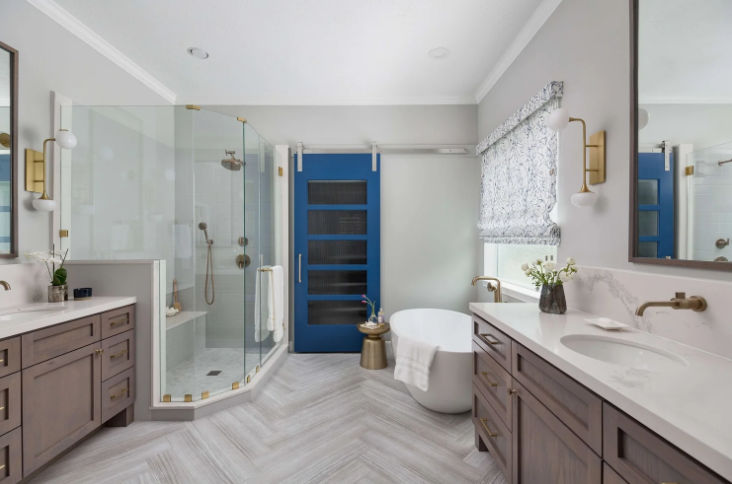
A bathroom is one of the hardest working rooms in your home. It deals with water, steam, daily use, and tight spaces all at once. That is why a bathroom renovation can feel exciting and stressful at the same time.
Many homeowners start with a clear vision but run into problems along the way. Some of those problems add cost. Others cause damage that only shows up months later. The good news is that most bathroom remodeling mistakes are easy to avoid when you know what to look for.
This guide walks through the most common errors and shows you how to prevent them.
Planning a bathroom renovation is an exciting way to upgrade your home’s comfort, functionality, and value. However, because this small space involves complex plumbing, electrical wiring, and heavy moisture, the process can easily become overwhelming. From unexpected structural repairs to underestimating the overall bathroom remodeling cost, small oversights can quickly lead to costly delays.
To ensure your project goes smoothly and stays within budget, it is crucial to understand the most common bathroom remodeling mistakes homeowners make-and how smart planning, proper bathroom waterproofing, and a functional bathroom layout can save you time, money, and stress.
Bathroom Remodeling Mistake 1: Starting Without a Clear Plan
Jumping into demolition before you have a full plan is one of the most common bathroom remodeling mistakes. Without a plan, decisions get rushed, materials get changed halfway through, and the project takes longer than it should.
Before any work begins, decide on the following:
- What you want to change and what can stay the same
- Your must have features and your nice to have features
- The style, colors, and materials you like
- Who will use the bathroom every day
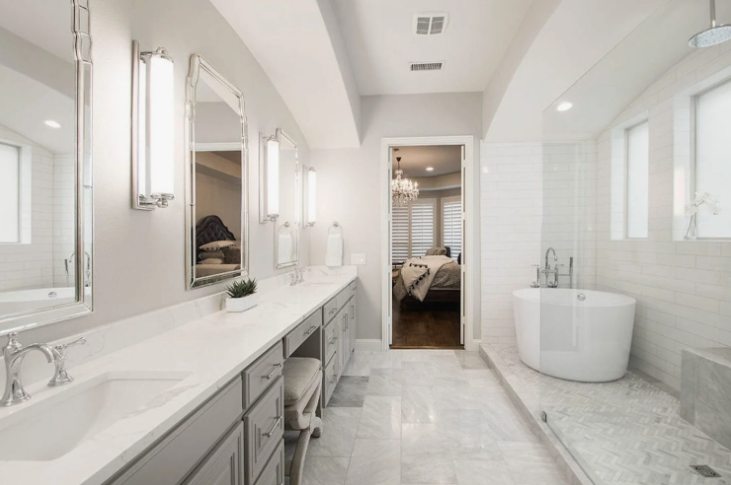
Take measurements and sketch a simple layout. Collect photos for inspiration. A written plan gives your contractor a clear target and helps you avoid costly changes later.
Bathroom Remodeling Mistake 2: Ignoring the Budget or Underestimating Costs
Bathroom remodeling cost depends on the size of the room, the materials you pick, and how much of the space you change. Many homeowners focus only on the price of tiles and fixtures. They forget about labor, permits, disposal, and repairs hidden behind the walls.
Here are some ways to keep your budget on track:
- Get a detailed written estimate before you commit.
- Set aside an extra amount for surprises. Many remodelers suggest planning for around ten to twenty percent more than your base budget.
- Decide where to spend and where to save. Waterproofing and plumbing are worth the investment. Decorative items are easier to upgrade later.
- Ask what is included and what is not.
A clear budget lowers stress and helps you make smart choices when unexpected issues appear.
Mistake 3: Skipping Proper Waterproofing
Water is the biggest threat in any bathroom remodeling mistakes. Poor waterproofing is one of the most expensive bathroom remodeling mistakes because the damage often stays hidden until it spreads.
Without a proper moisture barrier, water can seep into walls and floors. Over time this causes mold, rotted wood, loose tiles, and unpleasant smells.
Make sure your project includes:
- A waterproof membrane in the shower and around the tub
- Water resistant backer board behind tile instead of regular drywall
- Properly sealed corners, seams, and edges
- A correctly sloped shower floor so water flows toward the drain
Good waterproofing is not something you can see when the job is finished, but it protects your home for years.
Mistake 4: Forgetting About Ventilation
A beautiful bathroom can still turn into a damp, moldy space if the air cannot escape. Steam from showers adds moisture to the air every day. Without strong ventilation, that moisture lands on walls, ceilings, and mirrors.
Choose an exhaust fan that fits the size of your bathroom. Make sure it vents outside and not just into the attic. A fan with a quiet motor makes it more likely that people will actually use it. A window helps too, but it should not be your only source of ventilation.
Good airflow keeps paint from peeling, reduces mold risk, and helps your new finishes last longer.
Mistake 5: Poor Bathroom Layout Choices
A stylish bathroom is not much use if it is hard to move around in. Bathroom remodeling mistakes are tough to fix after the work is done, so think them through early.
Moving Plumbing Without Considering the Cost
Moving a toilet, shower, or sink to a new spot can change the entire look of the room. It can also raise your costs quickly because pipes and drains must be rerouted. If your budget is tight, keeping major fixtures in their current spots is often the smarter choice.
Ignoring Space and Clearance
Doors need room to swing. People need space to stand at the sink and in front of the toilet. Keep enough walking room so the space feels comfortable, not cramped. A contractor can check building code clearances for you.
Forgetting Daily Habits
Think about how your household really uses the room. A shared family bathroom may need two sinks or extra counter space. A small guest bath may do better with a simple, clean design.
Mistake 6: Choosing Style Over Function
Trends come and go, and a bathroom is a big investment. Picking materials only because they look good in photos can lead to frustration.
- Slippery floors. Glossy tile looks sleek but can be dangerous when wet. Choose tile with a slip resistant finish for floors and shower bases.
- High maintenance surfaces. Some natural stone needs regular sealing. Dark fixtures may show water spots easily. Think about the cleaning time you are willing to commit to.
- Very bold trends. A strong color or pattern can feel dated in a few years. Use bold choices in smaller touches such as paint, towels, or accessories.
A good rule is to pick a timeless base and add personality with items that are easy to change.
Mistake 7: Cutting Corners on Plumbing Fixtures and Materials
It is tempting to save money on faucets, shower valves, and toilets. But low quality plumbing fixtures can leak, wear out quickly, or be hard to repair. Replacing them later often means opening up the wall again.
Spend a little more on parts that are hidden or hard to reach, such as valves and drains. Pick fixtures from known brands that offer replacement parts and warranties. Efficient fixtures can also lower your water use over time.
Mistake 8: Overlooking Storage
Storage is often an afterthought, and then the room feels cluttered. Without a place for towels, toiletries, and cleaning supplies, items pile up on counters and floors.
Think about bathroom storage early in the design stage. Ideas that work well include:
- A vanity with deep drawers
- Recessed shelves or niches in the shower wall
- A wall cabinet or tall linen cabinet
- Hooks and towel bars placed within easy reach
Planning storage from the start is much easier than trying to add it after the walls are closed.
Mistake 9: Poor Lighting and Electrical Planning
Many bathrooms rely on a single ceiling light, which creates shadows on your face at the mirror. Good lighting should work in layers.
- Use bright, even light around the mirror for grooming.
- Add a general ceiling light for the whole room.
- Consider a softer light or a dimmer for relaxing evenings.
Electrical work in a bathroom remodeling mistakes must also follow safety rules. Outlets near water need ground fault protection, and fixtures in wet areas must be rated for that use. This is not a job for guessing. A licensed electrician should handle the wiring.
Mistake 10: Hiring the Wrong Contractor or Skipping Permits
Even a great plan can fall apart with the wrong team. Choosing a contractor based only on the lowest price is risky. Missing deadlines, poor communication, and unfinished work are common complaints.
When you look for a bathroom remodeling contractor, check these points:
- Valid license and insurance
- Clear written estimate and contract
- Reviews and references from past clients
- A communication style that makes you feel comfortable
- A plan for keeping the work area clean and safe
Also ask about permits. Many bathroom projects, especially those involving plumbing or electrical changes, need permits and inspections. Skipping them can lead to fines, safety issues, and trouble when you sell your home. A trusted contractor will explain what is needed and handle the paperwork with you.
How to Avoid Bathroom Remodeling Mistakes
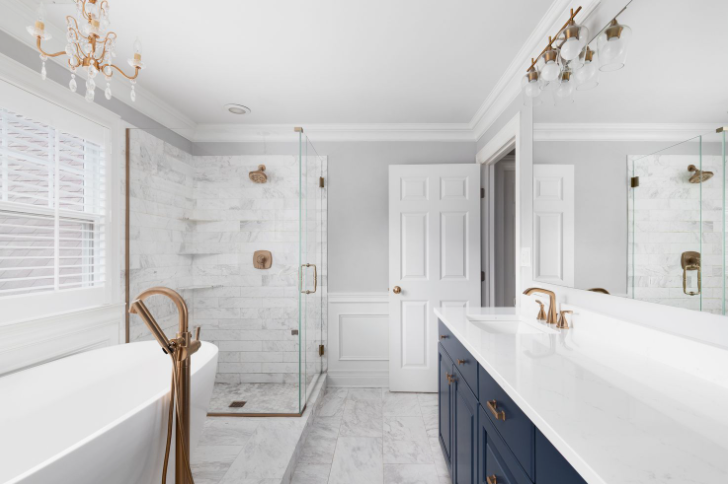
Here is a quick summary to keep with you as you plan:
- Make a clear plan before work begins.
- Set a realistic budget with room for surprises.
- Protect the room with proper waterproofing and ventilation.
- Keep the layout practical and think about daily use.
- Choose durable materials and quality fixtures.
- Plan storage and lighting early.
- Work with a licensed, experienced contractor.
If you are thinking about a bathroom renovation, you can talk with Home Options. The team offers bathroom remodeling mistakes with kitchen remodeling, basements, garages, and home additions. You can request a free estimate to talk through your ideas and learn what to expect.
Final Thoughts
A successful bathroom renovation comes down to careful preparation, quality materials, and expert execution. By addressing critical factors like bathroom waterproofing, adequate ventilation, and a well-thought-out bathroom layout from the very beginning, you can protect your home from long-term moisture damage while creating a beautiful, functional space.
Remember that trying to cut corners on structural work or low-grade fixtures often increases your overall bathroom remodeling cost in the future. Investing in proper planning and working with an experienced contractor will ensure you avoid these common bathroom remodeling mistakes and enjoy a durable, stress-free space for years to come.
Frequently Asked Questions
- What is the most common bathroom remodeling mistake?
Poor planning is one of the most common bathroom remodeling mistakes. Starting a project without a clear layout, budget, and material list often leads to delays, extra costs, and changes in the middle of the work.
- How much does a bathroom remodel cost?
The cost depends on the size of the room, the materials you choose, and how much work is needed. A simple update costs far less than a full renovation that moves plumbing or changes the layout. The best way to know your price is to get a written estimate from a qualified contractor.
- How long does a bathroom remodel take?
Small updates may take about a week or two. Full renovations often take several weeks, especially if custom items or special order materials are involved. Your contractor can give you a better timeline once the scope is clear.
- Do I need a permit for a bathroom remodel?
It depends on the work. Projects that involve plumbing, electrical changes, or structural updates often need permits. Cosmetic updates like paint or a new vanity usually do not. Ask your contractor to confirm what applies to your project.