

Thinking about updating your kitchen but not sure where to start? You are not alone. Kitchen remodeling is one of the most rewarding home improvement projects you can take on, but it can also feel overwhelming once you start looking into cabinets, countertops, flooring, and lighting all at once.
This guide breaks down everything you need to know about kitchen remodeling, from the basics to the finer details of a full kitchen renovation. Whether you are planning a small update or a complete overhaul, you will walk away with a clear understanding of what goes into the process and how to make smart decisions along the way.
Understanding the Basics of Kitchen Remodeling
At its core, kitchen remodeling is about improving both the function and the look of one of the most used rooms in your home. Some homeowners want a simple refresh, like new paint and hardware. Others are ready for a complete transformation that touches every surface, from the cabinets to the ceiling.
Before diving into any project, it helps to think about three things: your budget, your timeline, and your daily needs. A family that cooks every night has different priorities than someone who mostly uses the kitchen for entertaining. Getting clear on how you actually use the space will guide almost every decision that follows, from layout to material choices.
It is also worth noting that kitchen remodeling projects vary widely in scope. A cosmetic update might take a week or two, while a full renovation involving plumbing, electrical work, and structural changes can take several months. Setting realistic expectations early on saves a lot of frustration later.
Key Elements Involved in a Full Kitchen Renovation
A full kitchen renovation typically involves several moving parts working together. Understanding each piece helps you plan a project that comes together smoothly instead of feeling disjointed.
The main components usually include:
- Cabinetry, which sets the overall style and provides storage
- Countertops, which need to balance durability with visual appeal
- Backsplash, which ties the color scheme together
- Flooring, which has to handle daily wear while looking good
- Lighting and electrical work, which affects both safety and ambiance
Each of these elements plays off the others. For example, choosing a bold countertop material might mean toning down the cabinet color, or a statement backsplash could shift how much lighting you need in certain areas. This is why experienced professionals approach a renovation as a connected system rather than a series of separate decisions.

Kitchen Cabinet Remodeling: What to Expect
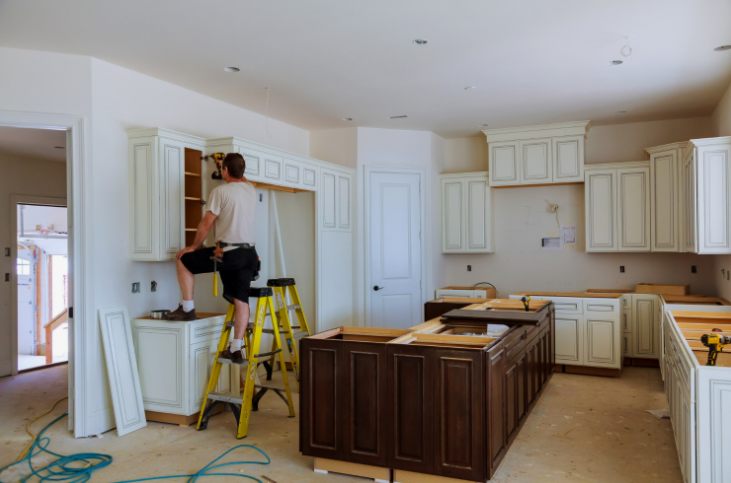
Cabinets often take up the most visual space in a kitchen, which makes cabinet remodeling one of the most impactful parts of any project. This is usually where the biggest portion of the budget goes, and for good reason. Cabinets affect storage, workflow, and the overall style of the room.
Custom vs. Prefabricated Cabinet Options
Custom cabinets are built specifically for your kitchen’s dimensions and your personal preferences. They offer more flexibility in terms of materials, finishes, and storage solutions, but they also come with a higher price tag and a longer lead time.
Prefabricated cabinets, on the other hand, are mass produced in standard sizes. They are more budget friendly and quicker to install, making them a solid choice for homeowners who want quality results without the wait or the added cost. Many modern prefabricated options offer surprisingly good craftsmanship, so this is not a case of quality automatically going down with a lower price.
Cabinet Refacing vs. Full Replacement
Not every kitchen needs brand new cabinets. Cabinet refacing involves replacing the doors, drawer fronts, and hardware while keeping the existing cabinet boxes in place. This approach can dramatically change the look of a kitchen at a fraction of the cost of full replacement.
Full replacement makes more sense when the existing cabinets are structurally damaged, poorly laid out, or simply too outdated to work with. It also gives you the opportunity to rethink your storage layout from the ground up, which refacing cannot offer.
Storage and Layout Considerations
Good storage planning can make even a smaller kitchen feel spacious and functional. Deep drawers for pots and pans, pull out shelving for pantry items, and vertical dividers for baking sheets are all details that make a real difference in daily use.
Layout matters just as much as storage. The classic kitchen work triangle, connecting the sink, stove, and refrigerator, is still a useful starting point, though many modern designs now focus on creating multiple functional zones instead. The right layout depends on how you cook, how many people use the kitchen at once, and how much space you have to work with.
Kitchen Countertop Installation Explained
Countertops see daily use, so durability matters just as much as appearance. Kitchen countertop installation involves choosing a material that fits your lifestyle, your budget, and the overall design of your kitchen.
Popular options include:
- Granite, known for its natural look and heat resistance
- Quartz, valued for low maintenance and consistent patterns
- Butcher block, which adds warmth but requires more upkeep
- Laminate, a budget friendly choice with a wide range of styles
Installation itself requires precise measurements, since countertops need to fit exactly around sinks, appliances, and edges. Professional installation also accounts for proper support and sealing, which helps prevent cracking or water damage down the road. A well installed countertop should feel seamless, both visually and functionally, with the rest of the kitchen.
Kitchen Backsplash Installation and Design Choices
The backsplash might be one of the smaller elements in a kitchen, but it often has an outsized impact on the overall design. Beyond protecting your walls from splashes and stains, it serves as a chance to add color, texture, or pattern to the space.
Subway tile remains a timeless choice because it works with nearly any style, from farmhouse to modern. For homeowners who want something more distinctive, options like patterned cement tiles, natural stone, or glass mosaics can turn the backsplash into a real focal point.
During kitchen backsplash installation, it is important to think about how the material interacts with your countertops and cabinets. A busy countertop pattern usually pairs better with a simpler backsplash, while a plain countertop can handle a bolder backsplash design without the kitchen feeling too busy overall.
Kitchen Flooring Installation Options for Modern Kitchens
Flooring has to handle a lot in a kitchen. Spills, dropped dishes, foot traffic, and moisture are all part of daily life, so kitchen flooring installation should prioritize both durability and comfort.
Some of the most common flooring choices include:
- Hardwood, which offers warmth and long term value but needs protection from water
- Tile, a durable and water resistant option available in countless styles
- Luxury vinyl plank, which mimics wood or stone while standing up well to moisture
- Natural stone, a premium choice that adds elegance but requires regular sealing
Comfort underfoot is another factor worth considering, especially if you spend a lot of time cooking. Some homeowners choose to add cushioned flooring or rugs in prep areas to reduce strain on their feet and back during long cooking sessions.
Kitchen Lighting & Electrical Upgrades You Should Know About
Lighting has the power to completely change how a kitchen looks and functions. Kitchen lighting and electrical upgrades are often overlooked in the early planning stages, but they deserve just as much attention as cabinets or countertops.
Task, Ambient, and Accent Lighting Explained
A well lit kitchen typically uses three types of lighting working together. Task lighting, like under cabinet lights, illuminates specific work areas such as countertops and stovetops. Ambient lighting provides general brightness throughout the room, usually from ceiling fixtures or recessed lights. Accent lighting adds visual interest, highlighting features like open shelving or a kitchen island.
Combining all three creates a layered lighting design that feels natural rather than harsh or flat. Relying on a single overhead light, by contrast, often leaves shadows over prep areas and makes the room feel less inviting.
Electrical Code Requirements During a Remodel
Any significant remodel usually triggers updated electrical code requirements, especially if you are adding new outlets, upgrading your panel, or relocating appliances. Kitchens require GFCI outlets near water sources and dedicated circuits for major appliances like refrigerators and dishwashers.
Working with a licensed electrician ensures the work meets current code and passes inspection. This is not an area where cutting corners makes sense, since outdated or improperly installed wiring can create real safety hazards.
Smart Lighting and Energy-Efficient Upgrades
Many homeowners are now incorporating smart lighting into their kitchen remodels. Dimmable LED fixtures, app controlled lighting, and motion sensor lights under cabinets all add convenience while reducing energy consumption over time.
Energy efficient upgrades pay off in more than one way. LED bulbs last significantly longer than traditional incandescent options and use a fraction of the energy, which means lower utility bills alongside a more modern, adaptable kitchen.
How Local Kitchen Remodeling Experts Coordinate These Elements
Bringing all these pieces together, cabinets, countertops, backsplash, flooring, and lighting, requires careful coordination. This is where working with local kitchen remodeling experts really pays off. Professionals who understand your area’s building codes, permit requirements, and local design trends can help avoid costly mistakes and delays.
A professional kitchen remodeling team typically manages the entire timeline, coordinating between contractors, electricians, and material suppliers so that each phase of the project happens in the right order. This kind of coordination is especially important during a full kitchen renovation, where even small scheduling issues can cause delays across multiple trades.
Choosing a team known for expert kitchen remodeling also means benefiting from their experience with common challenges, like discovering outdated wiring behind a wall or working around an unusual layout. Their familiarity with local suppliers can also mean better pricing and faster access to materials, something that is harder to achieve when managing a renovation on your own.
If you are aiming for the best kitchen remodeling outcome for your home, working with a team that has a solid track record in your area is one of the most valuable decisions you can make throughout the entire process.
Conclusion
Kitchen remodeling is a significant investment, but it is also one that pays off in daily comfort and long term home value. From choosing between custom and prefabricated cabinets to selecting the right lighting layers, every decision plays a part in how your finished kitchen looks and functions.
Taking the time to understand each element, cabinetry, countertops, backsplash, flooring, and electrical work, helps you make informed choices rather than rushed ones. And when the scope of the project grows, partnering with experienced professionals can make the difference between a stressful renovation and a smooth one.
Whether you are planning a modest update or a complete transformation, a thoughtful approach to kitchen remodeling will leave you with a space that truly works for the way you live.
FAQs
How long does a typical kitchen remodel take?
A smaller update might take one to three weeks, while a full kitchen renovation involving structural changes, new plumbing, or electrical rewiring can take two to four months, depending on the scope and any unexpected issues discovered along the way.
Is it better to reface or fully replace kitchen cabinets?
It depends on the condition of your existing cabinets. If the boxes are structurally sound and you like the current layout, refacing is a cost effective option. If you want a new layout or the cabinets are damaged, full replacement makes more sense.
What is the most durable countertop material for a busy kitchen?
Quartz is often considered one of the most durable and low maintenance options, since it resists stains and scratches without needing regular sealing like natural stone does.
Do I need a permit for kitchen electrical upgrades?
In most areas, yes, especially if you are adding new circuits, relocating outlets, or upgrading your electrical panel. A licensed electrician can confirm the specific requirements in your area and handle the permitting process.
How much should I budget for a full kitchen renovation?
Costs vary widely based on location, materials, and the scope of work, but it is common for a full renovation to range from a moderate mid range budget to a significantly higher investment for high end finishes and custom work. Getting quotes from local kitchen remodeling professionals is the best way to get an accurate estimate for your specific project.